Training progression
Every platform has a precise purpose.
LLFA’s training environment progresses from stable single-engine handling to procedural simulator work, complex multi-engine operations and specialist upset prevention and recovery training. Aircraft allocation follows the approved syllabus, training phase and operational requirements.
- 01FoundationCessna 172
- 02ProcedureFNPT II
- 03ComplexityDiamond DA42
- 04RecoveryGameBird GB1
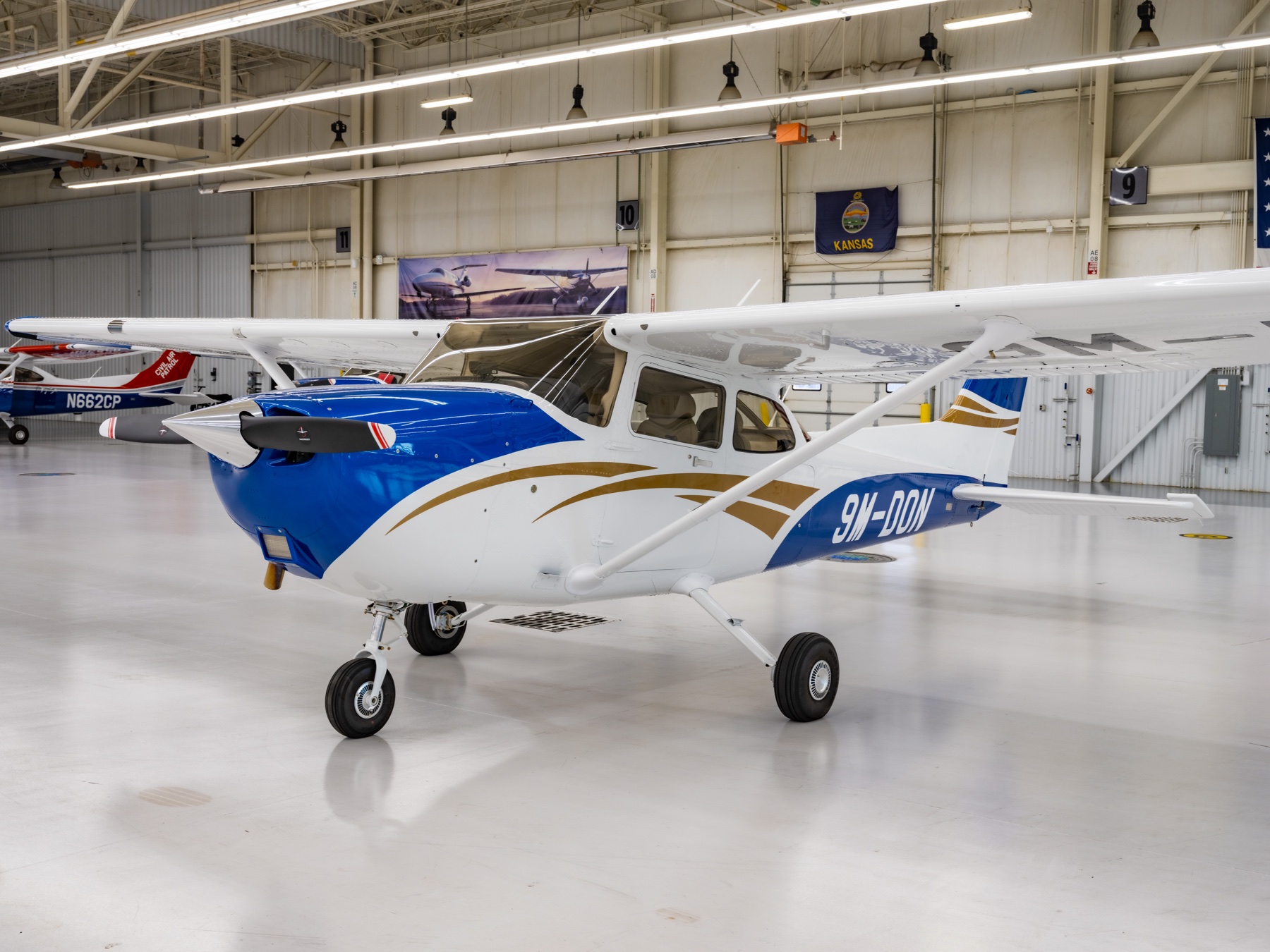
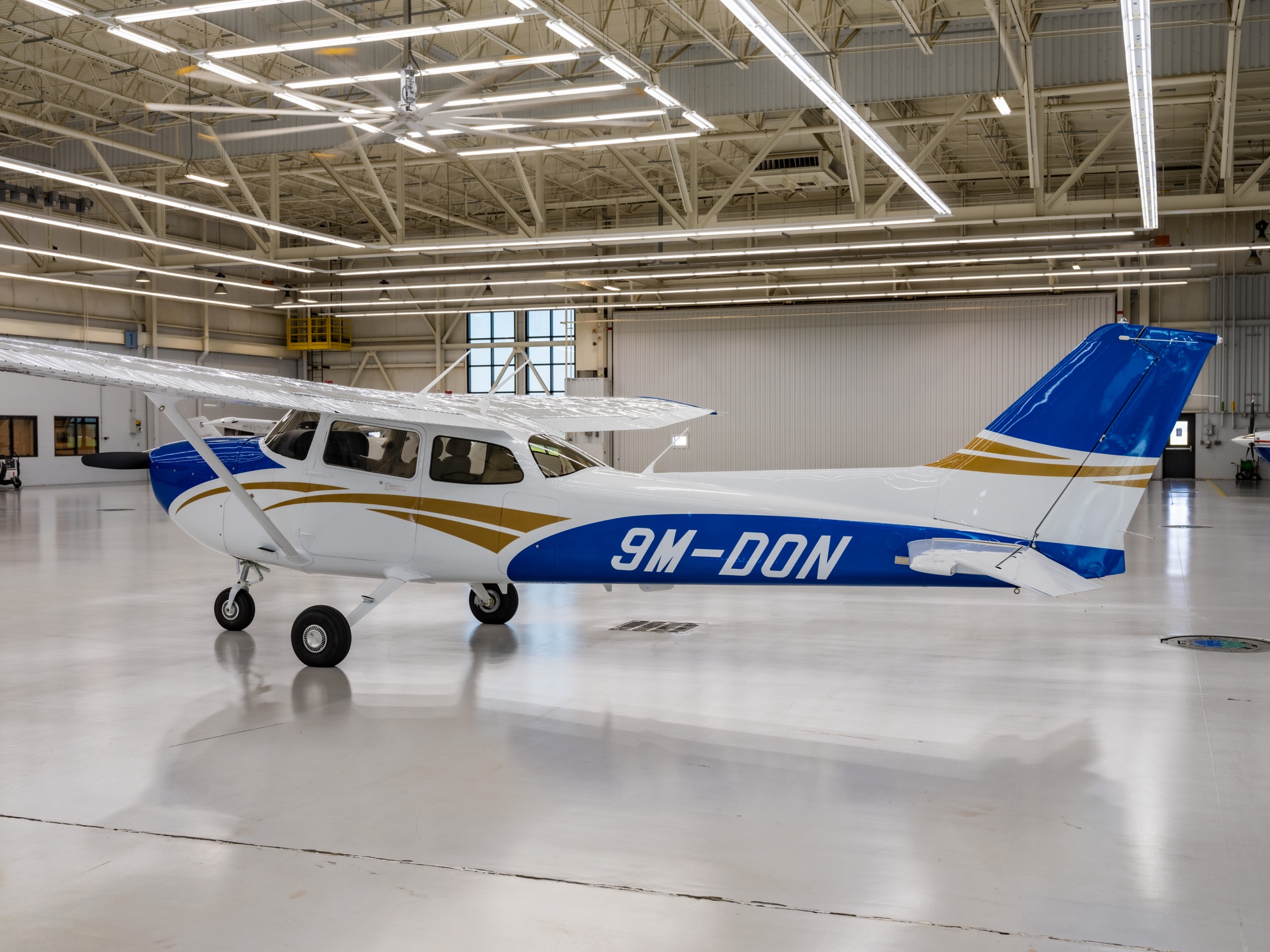
High-wing single-engine piston aeroplane
Cessna 172
A stable, widely used platform for handling fundamentals, navigation, circuit work and instrument foundations.
- Power
- 180 hp
- Occupants
- 4
- Max cruise
- 124 ktas
- Landing gear
- Fixed tricycle
- Configuration
- High wing
- Training role
- SEP · VFR · IFR
Training applications
- Aircraft familiarisation and pre-flight discipline
- Basic handling, circuits and landing practice
- VFR navigation and cross-country operations
- Night flying and instrument foundations
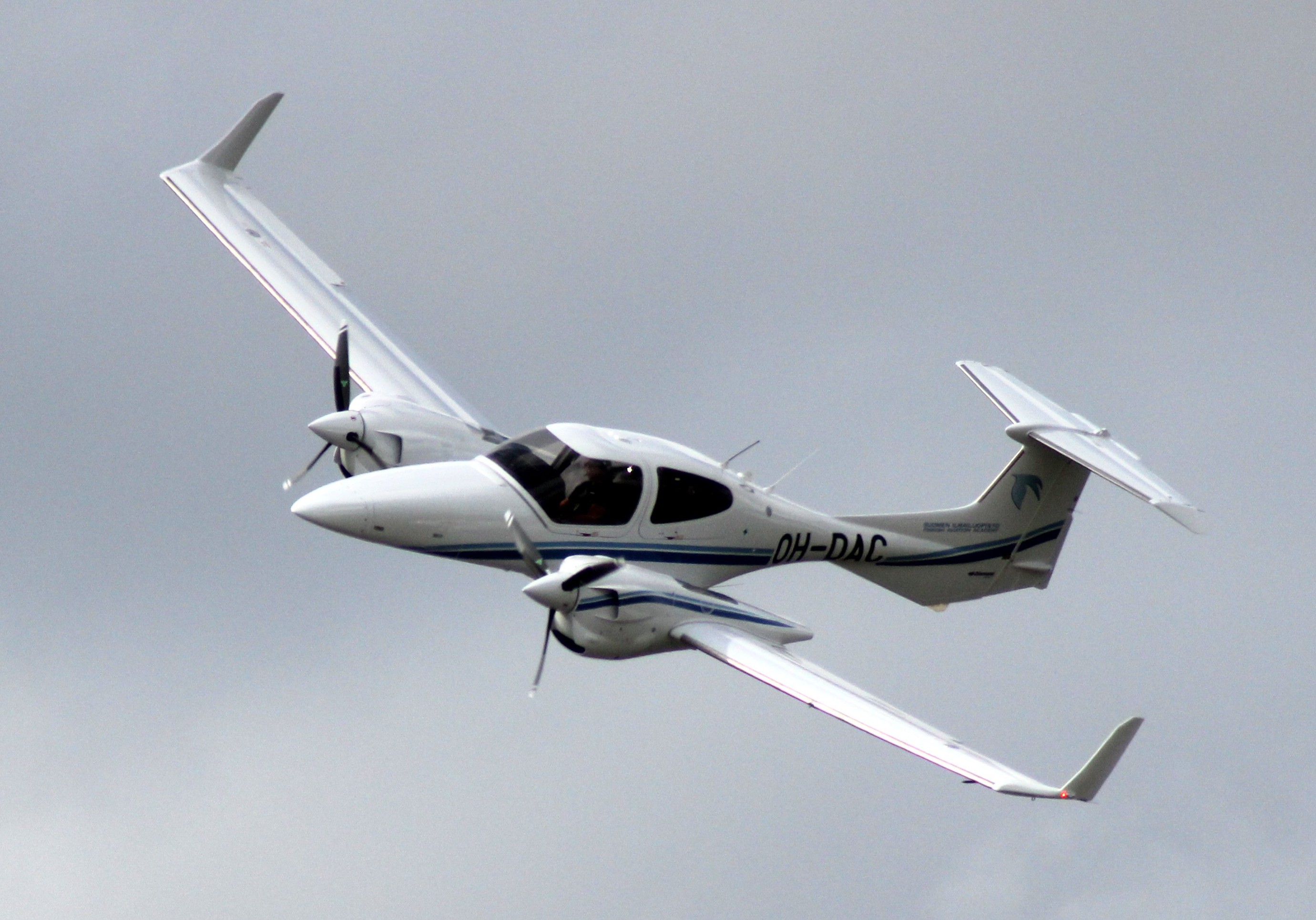
Four-seat twin-engine aeroplane
Diamond DA42
A modern twin-engine platform for asymmetric handling, engine-out procedures, multi-engine coordination and instrument consolidation.
- Powerplant
- Twin engine
- Seats
- 4
- Landing gear
- Retractable
- Propellers
- Constant-speed
- Training focus
- ME · IR
- Airframe
- Composite
Training applications
- Twin-engine aircraft systems and procedures
- Asymmetric flight and engine-out control
- Multi-engine circuits and operational decision-making
- Instrument approaches and CPL/IR consolidation
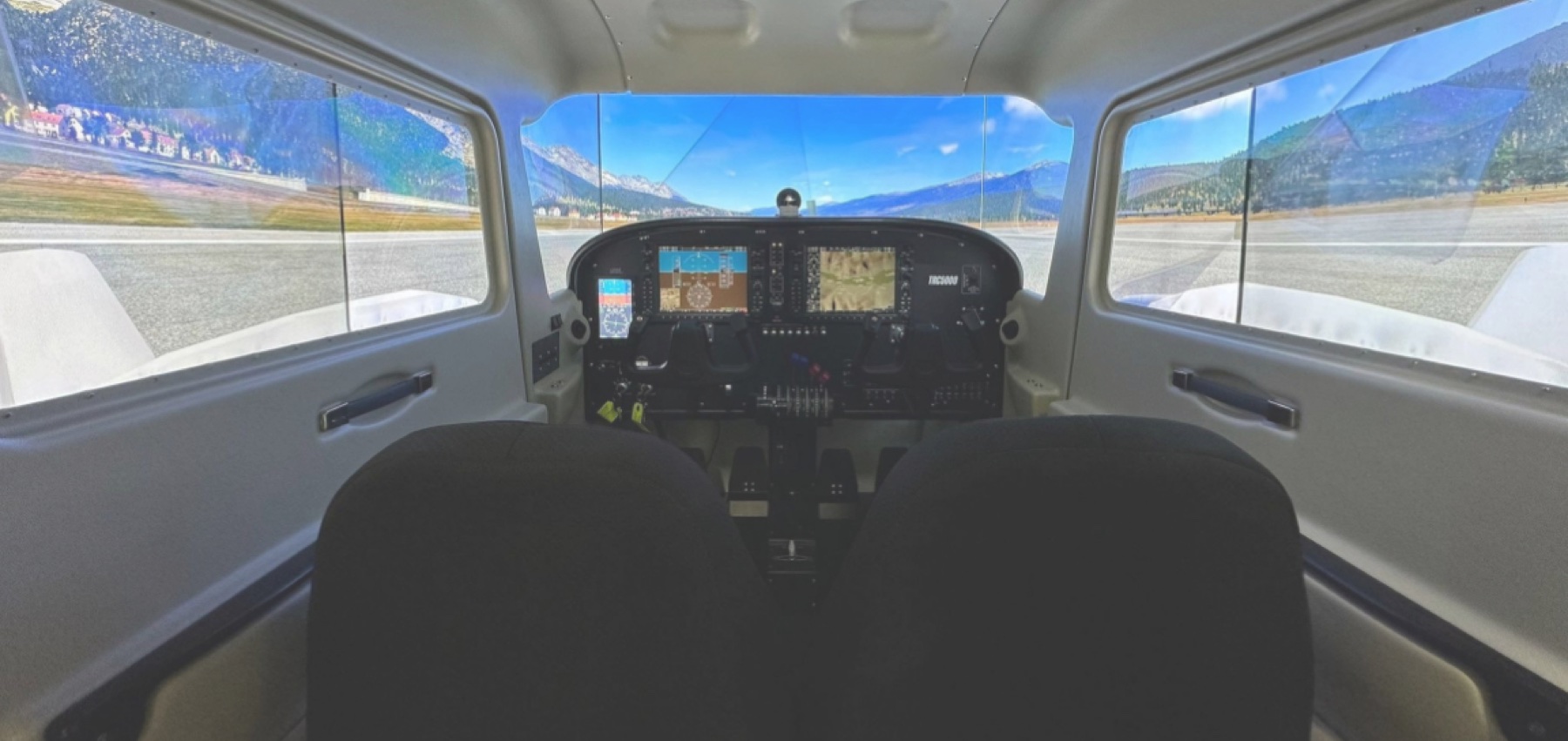
Flight and navigation procedures trainer
FNPT II
A controlled environment for instrument procedures, navigation, abnormal scenarios and structured procedural practice.
- Configurations
- SEP · MEP
- Procedures
- IFR
- Visual environment
- Panoramic
- Flight controls
- Dual control
- Scenario control
- Instructor station
- Training sessions
- Repeatable
Training applications
- Instrument scan and procedural discipline
- Radio navigation and approach practice
- Abnormal and emergency scenario rehearsal
- Single- and multi-engine procedure preparation
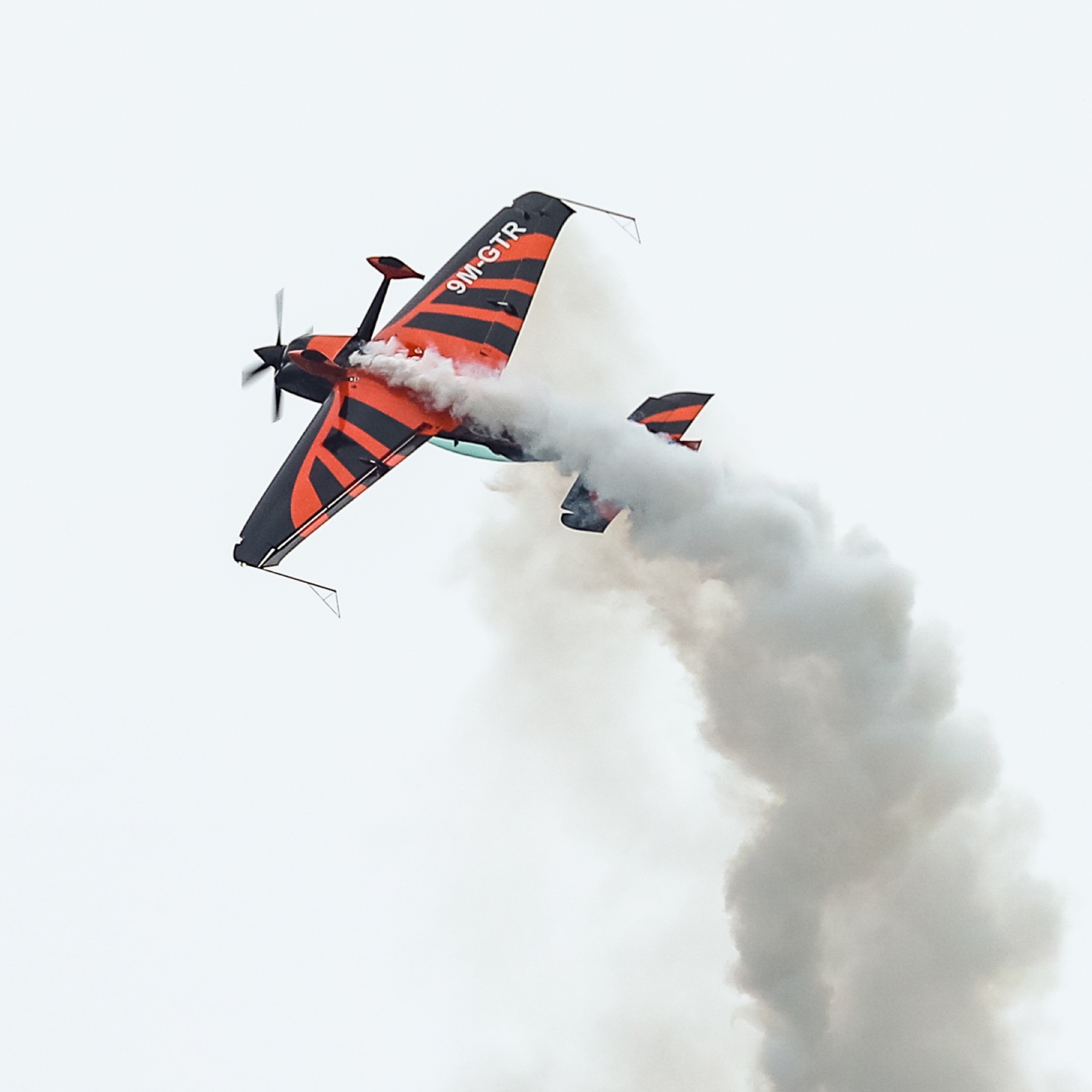
Two-seat aerobatic training aeroplane
GameBird GB1
A high-performance platform with precise control authority for advanced upset recognition, prevention and recovery training.
- Power
- 303 hp
- Occupants
- 2 tandem
- Load capability
- ±10 G
- Roll rate
- 400°/s
- Category
- Aerobatic
- Training role
- A-UPRT
Training applications
- Energy and attitude awareness
- Stall, spin and upset recognition
- Prevention and recovery control inputs
- Human factors under unusual attitudes
How the fleet supports learning
Brief. Practise. Fly. Debrief.
Ground preparation
Aircraft systems, limitations, procedures and flight planning are introduced before practical training.
Controlled rehearsal
Simulator sessions allow repeatable instrument, navigation and abnormal-situation practice.
Live application
Instructor-led flights translate preparation into aircraft handling and operational judgement.
Structured debrief
Each exercise concludes with feedback, review and the next performance objective.
Speak with Admissions