Upset Prevention and Recovery Training is one of the more recent additions to professional pilot training, and one of the least understood by people outside it. It is not aerobatics for its own sake. It is a structured response to a specific, well-documented category of accident.
What an “upset” actually is
An aeroplane upset is an unintended aircraft state outside the parameters normally experienced in operations — an unusually steep pitch attitude, an excessive bank angle, or an airspeed inappropriate for the conditions.
Upsets arise from a range of causes: environmental factors such as turbulence or wake, system or mechanical problems, and human factors including distraction, spatial disorientation or mishandling. What they share is that a normally functioning crew suddenly finds the aircraft somewhere it should not be.
Why the industry treats it seriously
Loss of control in flight has been among the most significant categories in fatal accident statistics for commercial aviation. What makes it distinct from other categories is that the aircraft is often fully capable of being recovered — the difficulty is that the crew has, in that moment, never encountered the situation before.
Conventional training deliberately keeps students inside the normal envelope. That is right for learning to fly, but it leaves a gap: pilots may spend years without experiencing an unusual attitude, and then meet one for the first time in an aircraft carrying passengers.
UPRT exists to close that gap by putting the first encounter in a controlled training environment.
Prevention comes first
The order in the name matters. Most of the value is in prevention:
- Recognising the conditions and behaviours that lead to upsets
- Understanding the aerodynamics — angle of attack, stall behaviour, energy management
- Monitoring and cross-checking so a developing situation is caught early
- Managing distraction, workload and automation dependency
An upset that never develops requires no recovery.
Recovery: the trained response
When an upset does occur, the correct response is frequently counter-intuitive. Instinct under stress can produce exactly the wrong control input. Training replaces instinct with a practised sequence, developed until it is reliable under pressure.
This is why the practical element must be flown rather than only discussed. Reading about a nose-low unusual attitude and recovering from one are not comparable experiences.
How LLFA delivers it
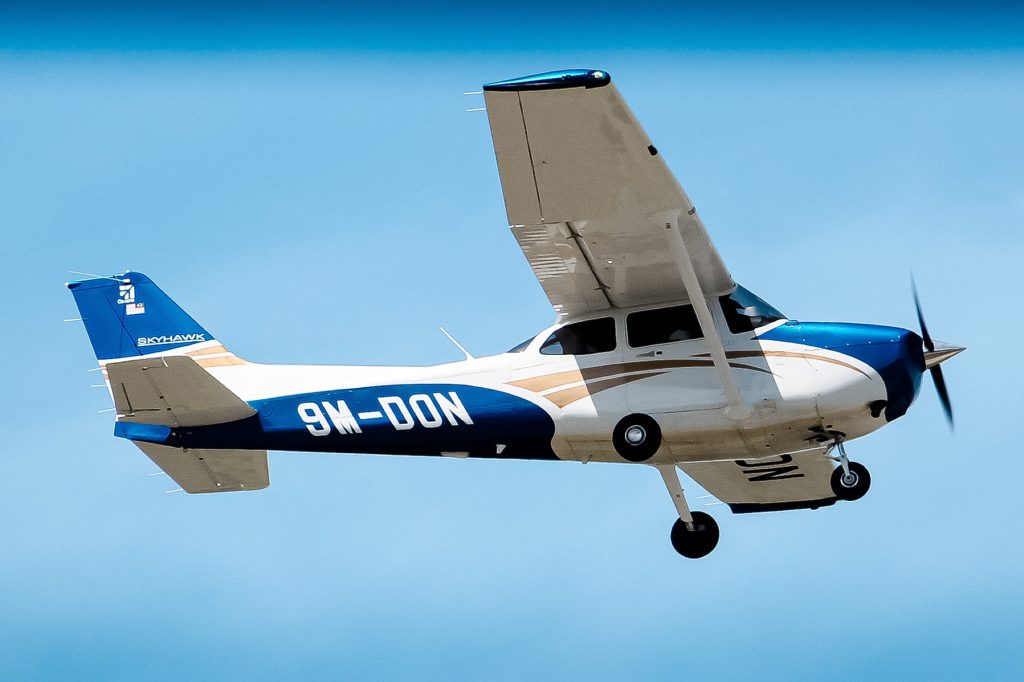
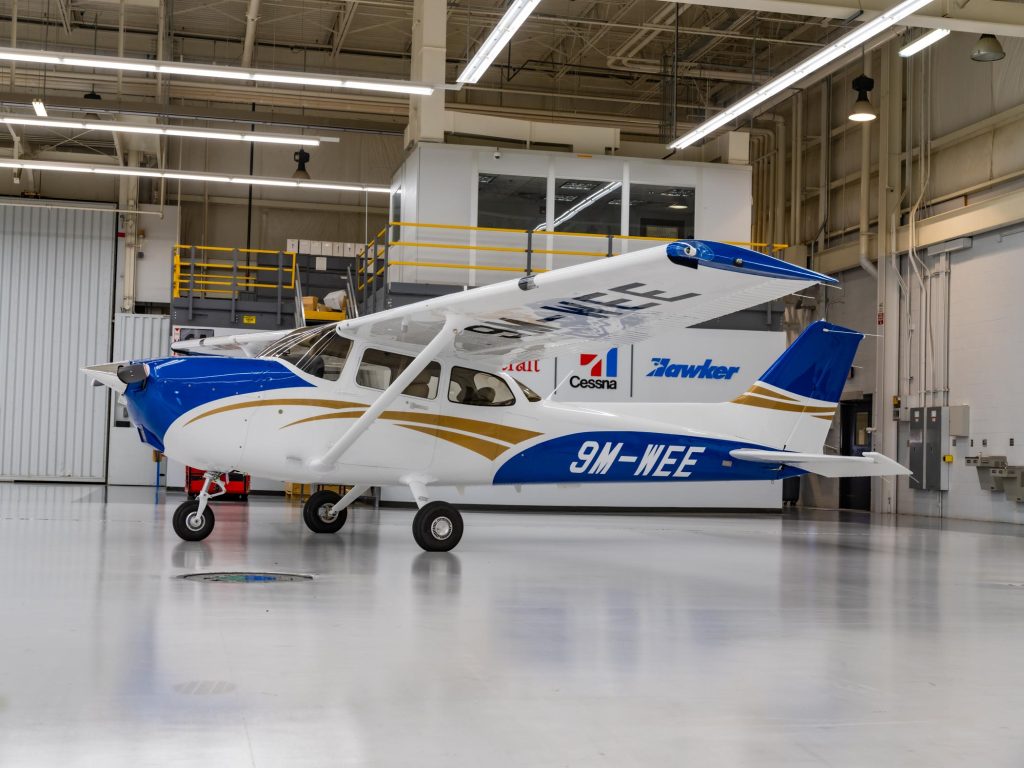
Our Advanced Upset Prevention and Recovery Training course is a focused three-day programme. Training moves from a stable Cessna 172 platform to the aerobatic GameBird GB1 — an aircraft certified for the manoeuvres the syllabus requires, flown with an instructor qualified to teach them.
The progression is deliberate. Concepts are introduced on a familiar, forgiving aircraft, then applied across a fuller flight envelope on a platform built for it.
UPRT also forms one of the five stages within our Commercial Pilot Licence with Instrument Rating and Frozen Airline Transport Pilot Licence programme, so cadets on the professional pathway meet it as part of their training rather than as an optional extra.
Training the trainers
Teaching UPRT is a distinct skill from performing the manoeuvres. Instructors must demonstrate accurately, recognise developing errors, intervene at the right moment and debrief usefully. Our Upset Prevention and Recovery Training Train-the-Trainer programme is an instructor-development course covering instructional methodology, scenario design, demonstration technique and threat and error management.
Who benefits
- Cadets on a professional pathway, for whom it is part of the syllabus
- Licensed pilots wanting to close a known gap in their experience
- Flight instructors intending to teach the discipline
- Pilots returning to flying after a break, rebuilding confidence in the margins
What students say afterwards
The most common reaction is not excitement about the manoeuvres. It is relief at having replaced an abstract fear with a trained response. Knowing what an upset feels like, and having recovered from one repeatedly under instruction, changes a pilot’s relationship with the aircraft.
Read about the Advanced Upset Prevention and Recovery Training course, see the GameBird GB1 in our fleet, or speak to Admissions about dates. Course details are subject to LLFA confirmation and applicable Civil Aviation Authority of Malaysia (CAAM) requirements.