A professional pathway puts you in at least two aeroplanes. Cadets sometimes assume the twin is simply the “better” aircraft and the single is a stepping stone to be got through. That misreads what each is for.
Cessna 172 Skyhawk: where judgement is built
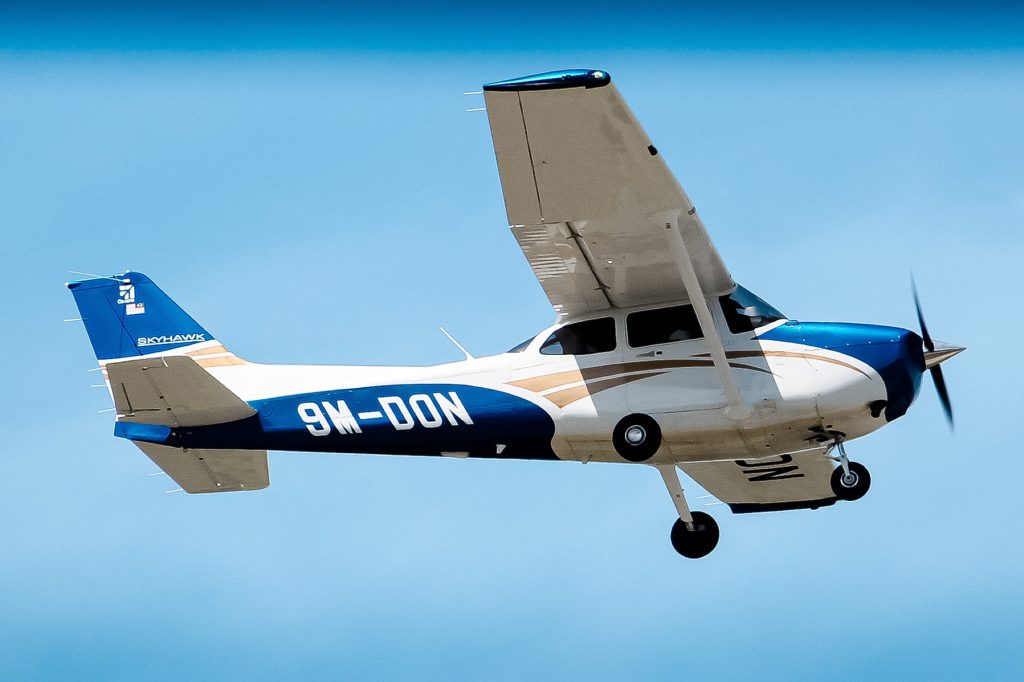
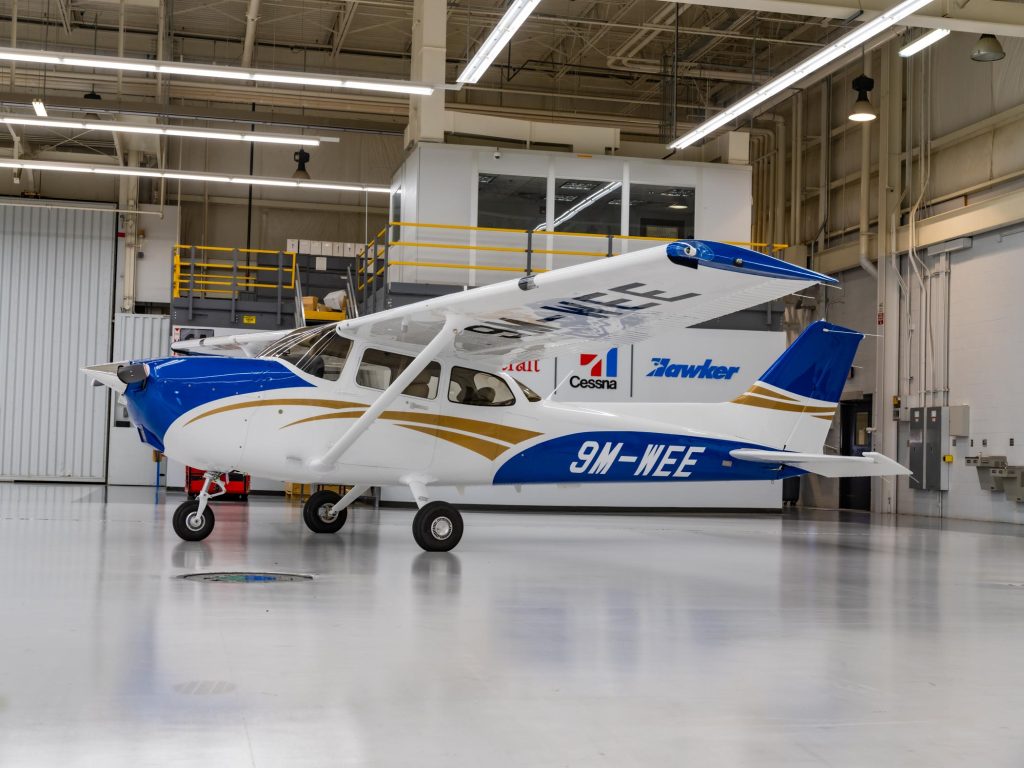
The Skyhawk is the most widely used training aeroplane in the world, and its virtues are exactly the ones a student needs. It is a high-wing single with benign handling, forgiving stall characteristics and excellent visibility over the ground.
Forgiving does not mean easy. It means the aircraft gives you room to make a mistake and correct it, which is precisely what learning requires.
On the 172 you learn:
- Effects of controls, climbing, descending and turning
- Circuits — take-offs and landings, repeated until consistent
- First solo
- Visual navigation and cross-country flying
- Stalling, slow flight and the beginnings of upset recognition
- Command decision-making — the transfer of authority from instructor to student
That last item is the real work. Handling an aeroplane is mechanical skill; deciding whether to continue, divert or turn back is airmanship. It is built on the 172 because the aircraft is undemanding enough to leave capacity for thinking.
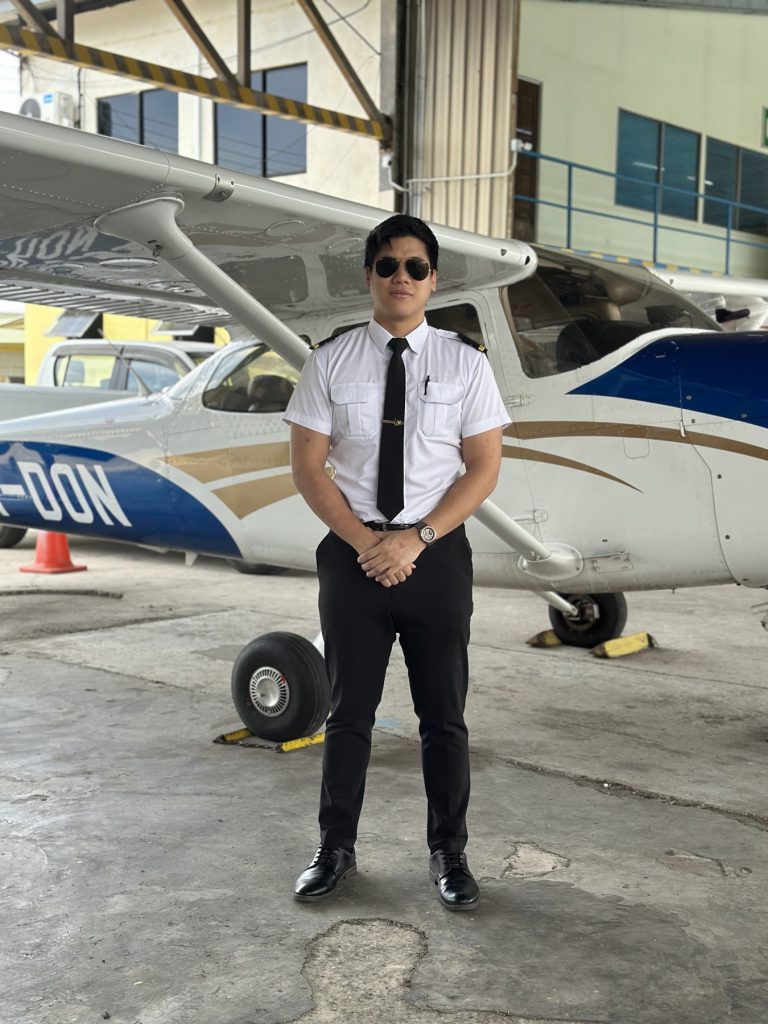
LLFA operates the Cessna 172 as its primary single-engine trainer — see it in the fleet.
Diamond DA42: where discipline is tested
The DA42 is a four-seat twin, and the step up is real. Two engines, more systems, higher speeds, greater complexity — and one failure mode that does not exist on a single.
When an engine fails on a twin, the remaining engine keeps producing thrust on one side. The aircraft yaws and rolls toward the dead engine, and the correct response has to be immediate and correct. Our guide to the multi-engine rating covers this in detail.
On the DA42 you develop:
- Asymmetric handling and engine-out procedures
- Critical speeds and engine-out performance limits
- More complex systems management
- Instrument procedures flown in a higher-workload aircraft
Why the order matters
You could not start on the DA42. Not because it is unflyable, but because its workload leaves no capacity for learning fundamentals. A student still thinking about how to hold a heading cannot also absorb asymmetric procedure.
By the time you reach the twin, holding a heading is automatic. That freed capacity is what makes the multi-engine phase teachable.
The simulator between them
The Flight and Navigation Procedures Trainer (FNPT II) can be configured for both single and multi-engine operations, which makes it the bridge. Instrument procedures and engine failures are drilled on the ground — repeatedly, safely, and in whatever weather the lesson requires — before being flown in the aircraft.
What each teaches, in one line
The Cessna 172 teaches you to fly. Handling, navigation, and the judgement to command a flight.
The Diamond DA42 teaches you to fly professionally. Complexity, precision and the discipline to handle a failure while still flying accurately.
Both sit inside the Commercial Pilot Licence with Instrument Rating and Frozen Airline Transport Pilot Licence programme, alongside the GameBird GB1 used for upset prevention and recovery.
Explore the full training fleet or speak to Admissions about the programme structure.